Exploring neuroarchitecture with EEG
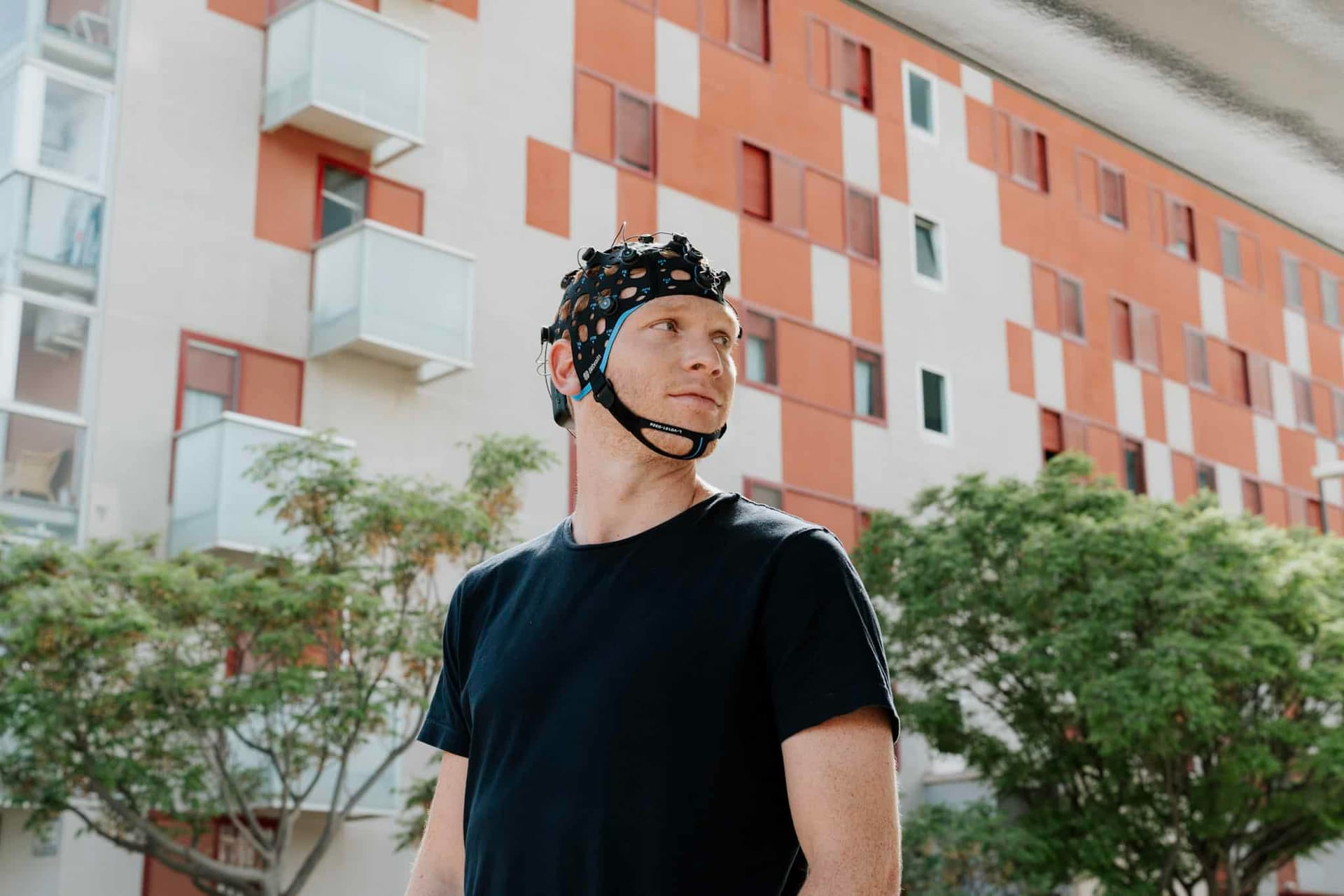
In a new edition of Bitbrain’s In the Lab series, design researcher Cleo Valentine discusses how EEG and other physiological measures are helping researchers study these effects in increasingly realistic environments.
Valentine’s research examines the built environment not simply as a backdrop, but as an exposure that may influence attention, cognitive load and stress over time. Her work includes research into biophilic design and how architectural characteristics may be reflected in physiological and neural responses.
Using Bitbrain’s Versatile EEG, preliminary research has explored whether different architectural environments can be reflected in brain activity. The findings remain exploratory, highlighting both the potential of EEG for neuroarchitecture and the importance of careful interpretation.
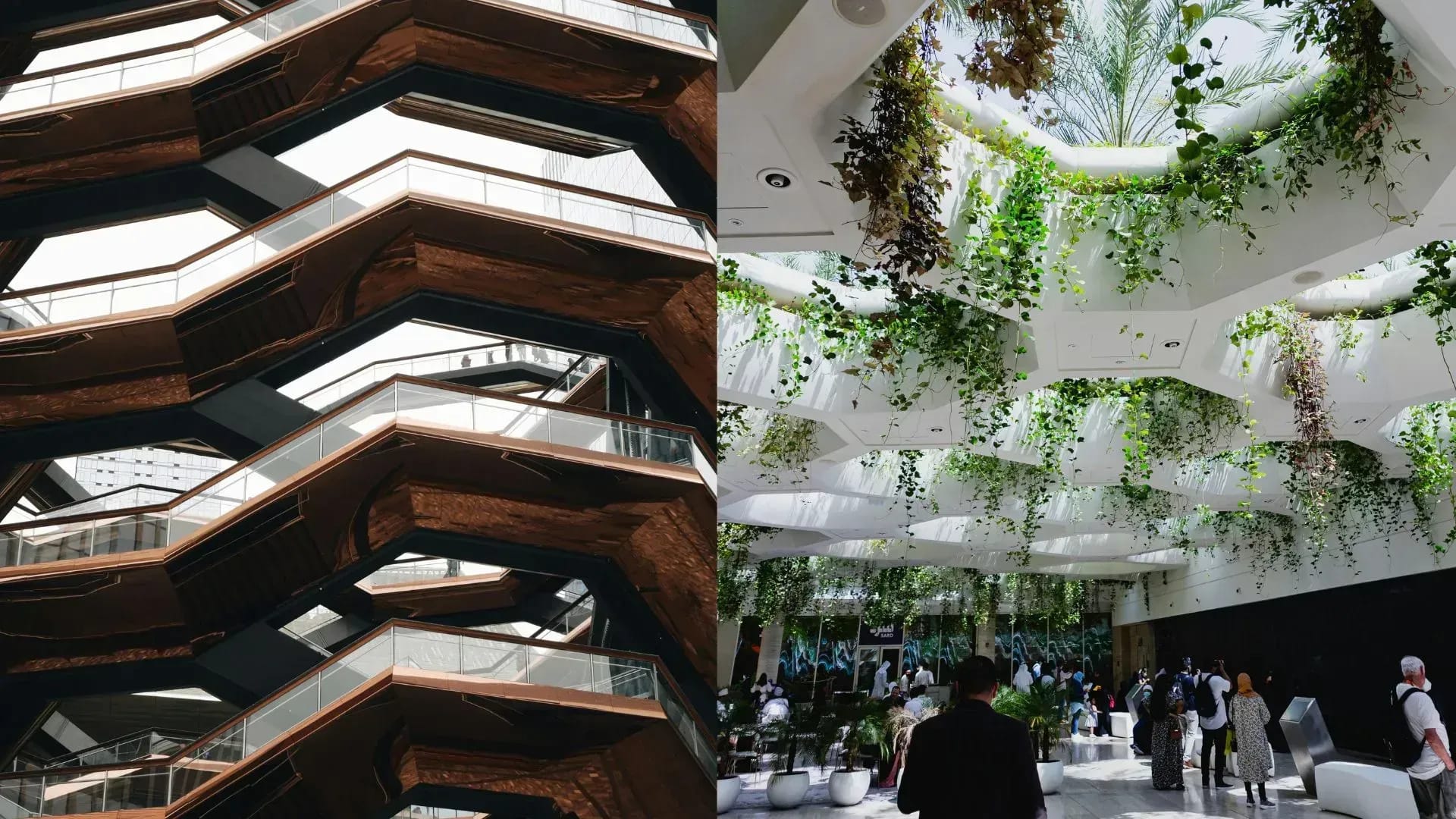
A key challenge is taking this research beyond controlled laboratory conditions. Portable EEG and multimodal approaches can help researchers study how people respond to architecture in more natural and realistic contexts.
This emerging field could contribute to a better understanding of how schools, workplaces, hospitals and other everyday environments interact with cognition, stress and well-being.
Read the full conversation with Cleo Valentine on the Bitbrain blog.