How EEG synchronization improves the reliability of research data
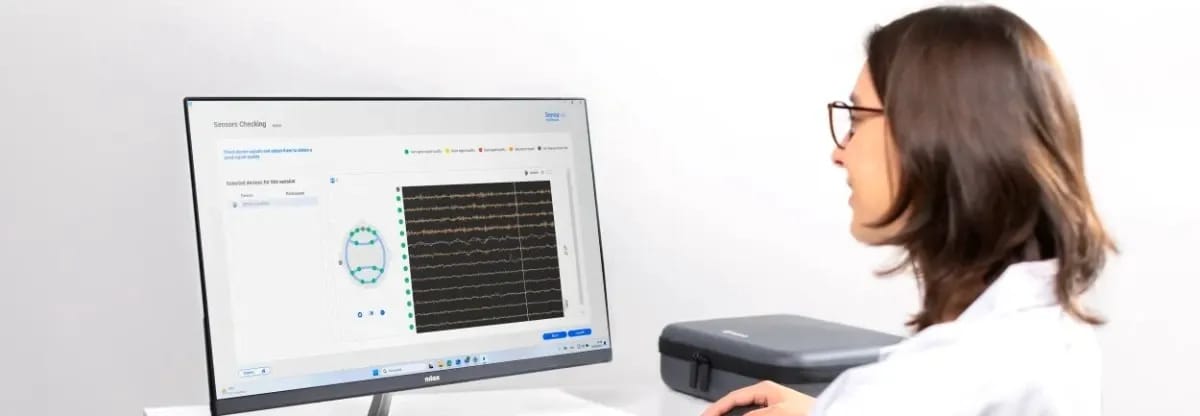
The post underlines its role in aligning neural activity with experimental events and stimuli, enabling reliable analysis of event-related potentials and other time-sensitive measures.
EEG synchronization involves accurately marking when events occur and aligning recordings from multiple devices. For example, combining EEG with eye tracking requires researchers to match brain activity to the moment a participant fixates on a target.
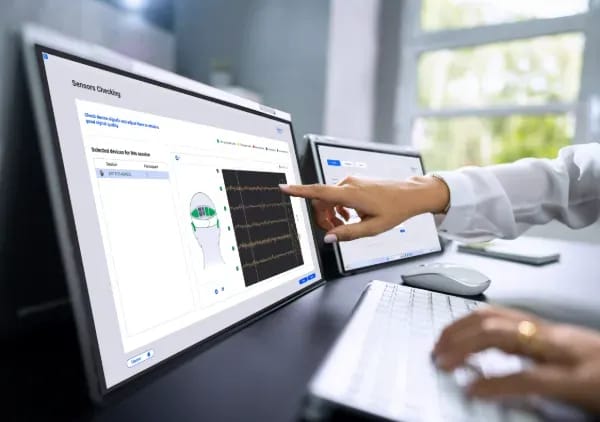
It compares hardware methods, including photodiodes and TTL signals, with software methods such as TCP/IP event markers. The appropriate choice depends on the timing precision the analysis requires and the mobility of the setup. Hardware methods are generally preferred for precise event timing; software methods can be useful when a wired connection would restrict the study.
Explore the full article and visit Bitbrain’s blog to find the latest updates, research insights, and practical applications in EEG and neurotechnology.