Advances in implicit cognition research combine behavioral tests with EEG and AI


Traditional implicit measures rely on reaction times to infer the strength of associations between mental concepts. While these methods are widely used, they provide limited insight into the neural processes underlying decision mechanisms.
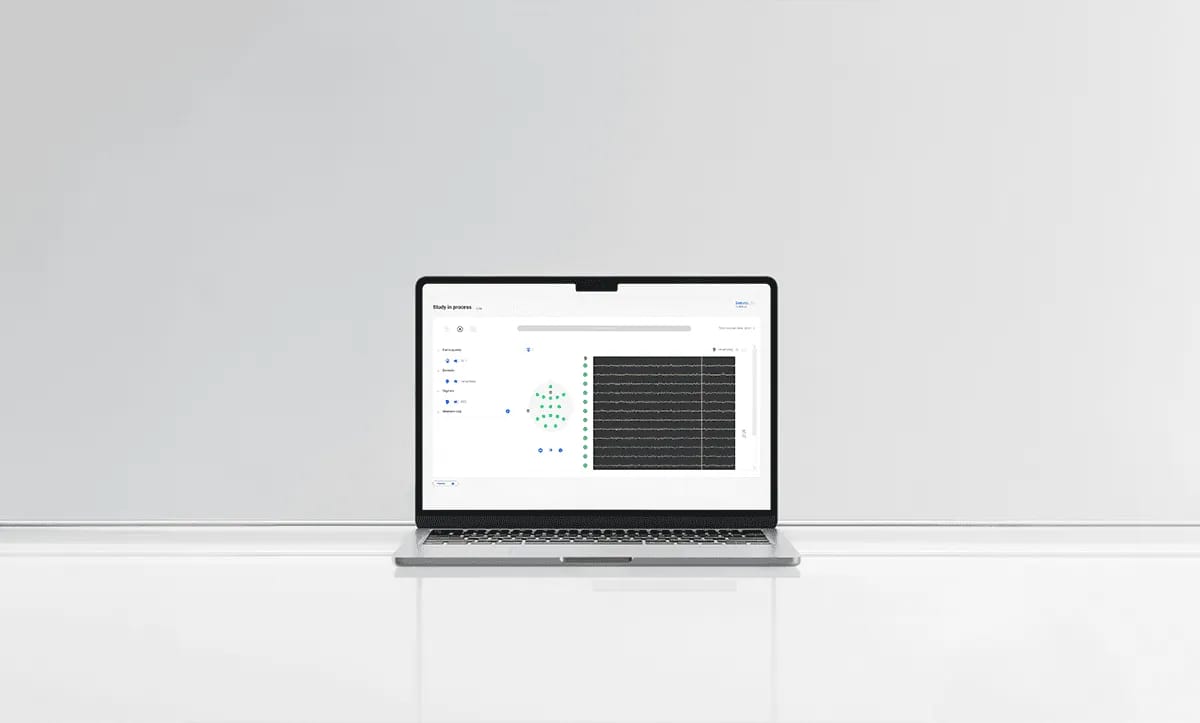
EEG technology is increasingly expanding this field by allowing researchers to observe neural dynamics during implicit tasks in real time. This enables a more detailed understanding of attention, information processing, and semantic evaluation.

Priming frameworks are presented as a complementary approach to the IAT, capturing rapid linkage effects that may occur even at early or pre-conscious stages of processing. When integrated with EEG, these methods allow researchers to examine how implicit responses unfold over time.
The article highlights the relevance of these approaches in fields such as healthcare, consumer neuroscience, social cognition, and human–computer interaction, where understanding automatic responses can support better decision-making models and system design.
Read the full blog post here.
An online version of the Implicit Association Test (IAT) is available for readers interested in exploring how implicit associations are measured in practice. Take a Test!