Study Explores How Ambient Lighting Influences Brain Activity During Learning Tasks

Researchers from the University of Granada examined how ambient lighting affects brain activity, attention maintenance, and cognitive performance in the paper Exploratory Study of Color Influence During an Academic Auditory Sustained Attention Test and the Implications for Educational Environments.
The research, conducted by Gabriel Ávila-Muñoz, Miguel Angel Lopez-Gordo, and Manuel Rodríguez-Alvarez, explores how different lighting conditions shape neurophysiological responses during learning-related tasks.
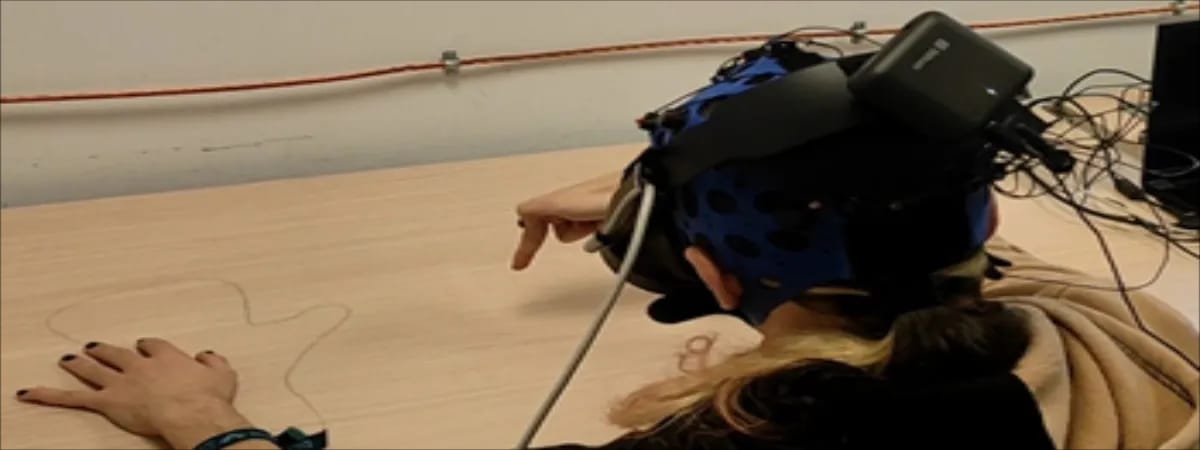
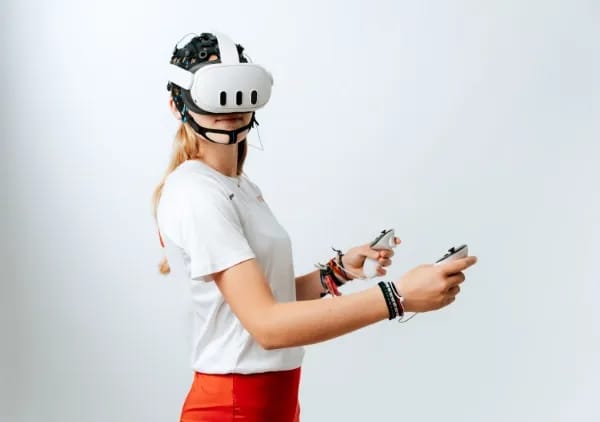
Twenty-nine participants completed five auditory sustained-attention tests in immersive virtual environments. Brain activity was recorded using the Bitbrain Versatile 16-channel EEG, a wearable, water-based EEG system, while a Meta Quest Pro headset exposed participants to either blue or red light.
The results revealed distinct neurophysiological responses between the two conditions. Participants under blue lighting showed lower stress-related EEG measures and a stronger post-task alpha rebound, a response interpreted as a potential indicator of greater neural recovery following cognitive effort.
Although overall performance did not significantly differ between groups, participants exposed to red lighting showed a decline in performance on the final questions compared with their initial responses. The findings suggest that ambient lighting may influence how the brain responds to prolonged cognitive demands, with blue light appearing more closely associated with cognitive endurance and post-task recovery than with immediate performance improvements.
The study also highlights the potential of combining virtual reality and wearable EEG technology to investigate how environmental conditions affect attention, fatigue, and cognitive performance. Given its exploratory design, controlled virtual setting, and focus on two lighting conditions, the authors note that further research is needed across larger samples and real educational environments.
To explore the full methodology and findings, read the full paper here.