Products
Services
Applications
Science
About us
BlogContact

Neurotechnology

Not science fiction: how a P300 brain-computer interface brought EEG from the lab to the classroom

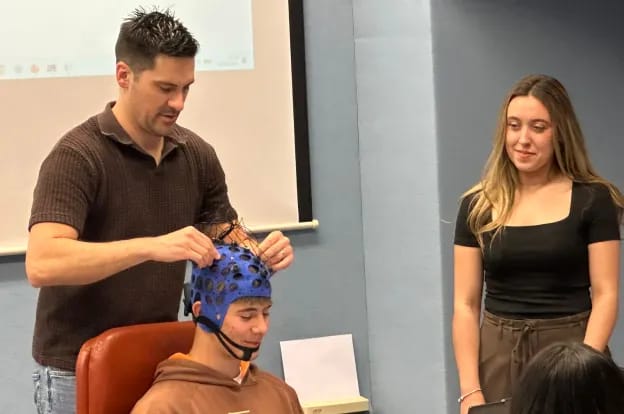
Can a computer figure out which number you are thinking of just by reading your brain activity? It sounds like science fiction, but it is a real and well-established technique. This spring, a team at the University of Granada used a Bitbrain Versatile EEG system to demonstrate exactly that, bringing brain-computer interface technology to nearly a hundred secondary-school students.
August 7, 2026

Main Features of the EEG Sensor Layer Explained

When choosing an electroencephalogram (EEG) device within the constraints of a project requirements, it is important to find the maximum performance possible by balancing features and value. This article focuses on the EEG sensor layer features, including the type of sensor (dry/wet), shielding, and electrode placement, in order to give guidelines to help in the selection process.
February 20, 2026

EEG and Virtual Reality: The Neuroadaptive Future of Neurotechnology

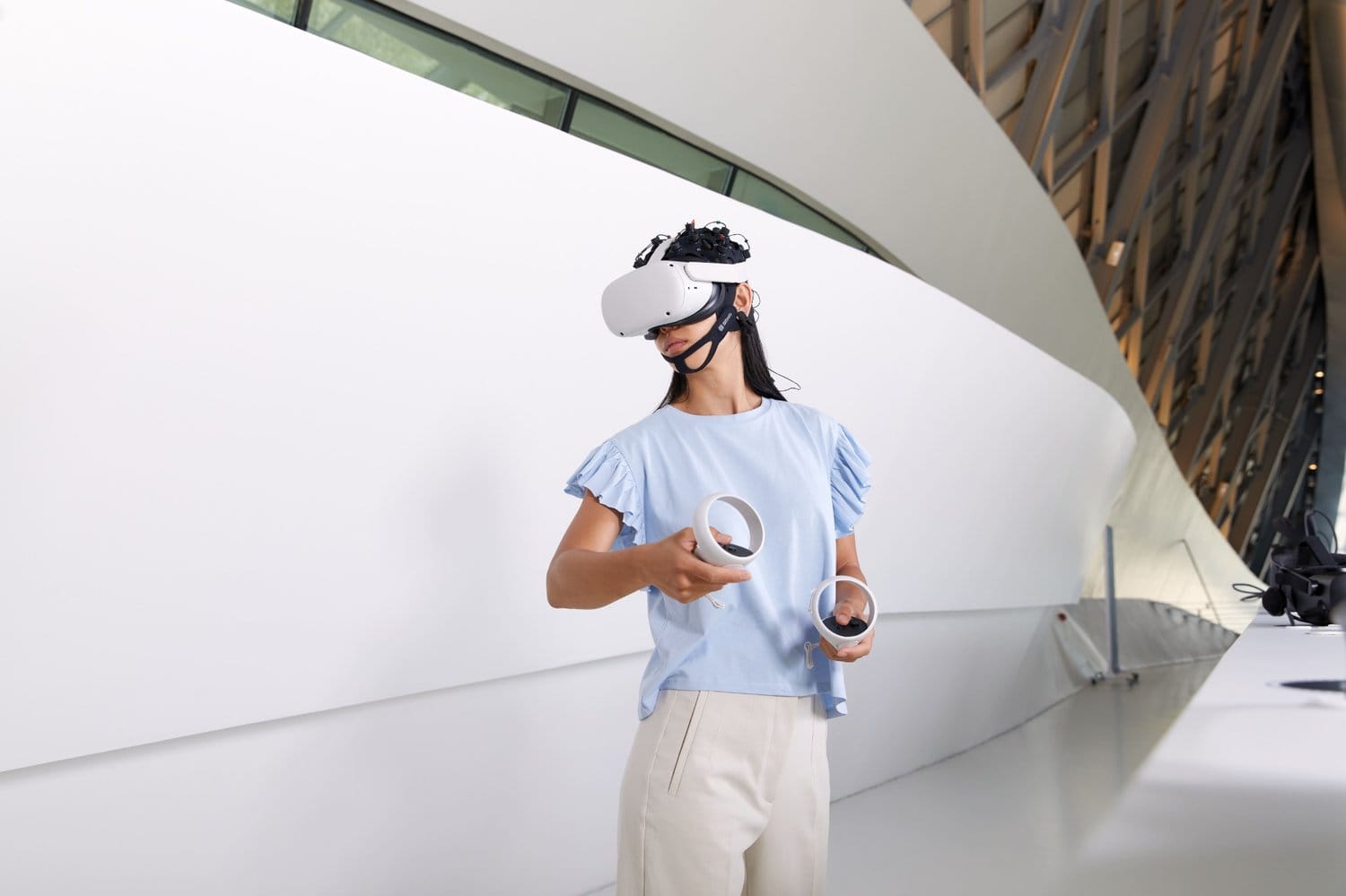
Can technology truly read our thoughts and emotions, and adapt the digital world in real time? What once belonged to science fiction is now possible, thanks to the convergence of electroencephalography (EEG) and virtual reality (VR). This fusion enables us not only to measure attention, emotion, and cognitive fatigue, but also to personalize digital experiences in real-time, fundamentally redefining human–machine interaction. With recent advances in portable EEG and VR technology, it is now possible to access and respond to a user’s brain state in real-time. This breakthrough is already enabling personalized rehabilitation, adaptive gaming, cognitive training, and clinical diagnostics, laying the groundwork for a new generation of neurotechnology solutions.
December 15, 2025

All about EEG artifacts and filtering tools

One of the main challenges in working with electroencephalographic (EEG) data is ensuring that the recorded signals are clean and exhibit a high signal-to-noise ratio (SNR). Because EEG amplitudes are typically in the microvolt range, they are highly susceptible to various sources of contamination, commonly referred to as artifacts. These unwanted signals can obscure the underlying neural activity and compromise the quality of the data—making artifact detection and removal essential for accurate analysis and reliable applications. In this article, we examine the most common types of EEG artifacts and the primary techniques and tools employed to minimize their impact and recover meaningful brain signals.
November 25, 2025

Fluently Project: Real-Time Biosignal Monitoring for Human-Robot Collaboration

The Fluently Project represents a paradigm shift in human-robot collaboration within industrial environments, aiming to optimize productivity while safeguarding worker well-being. By integrating advanced neurotechnology with AI-driven decision-making, Fluently enables industrial robots to adapt in real-time to an operator's cognitive and physical state. Through a novel human-machine interface, operators can command robots using natural speech and gestures, while their mental and physiological conditions are assessed via wearable devices like the Bitbrain Versatile Bio and Diadem EEG. The University of Applied Sciences and Arts of Southern Switzerland (SUPSI) contributions include the development of a privacy-preserving, multimodal pipeline capable of real-time mental state inference and adaptive robot behavior based on collaborative learning frameworks. This blog post explores the project’s objectives, technological infrastructure, and real-world applications, emphasizing how Fluently sets new standards for ethical, efficient, and human-centric automation.
November 18, 2025

How to Select a Dry-EEG Headset for your Research Application

Dry-EEG systems can open the door for the application of neuroscience in real-world settings, and the market to a new generation of products and services based on neurotechnology. However, there are many open questions related to their reliability, accuracy and signal quality. This post will give the reader solid arguments for selecting a technology that fits the application requirements.
July 16, 2025

How Deep Learning is changing machine learning AI in EEG data processing

Electroencephalography (EEG) offers a powerful window into the brain, capturing signals associated with cognition, behavior, and emotion. Beyond its use in neuroscience research, EEG technology is finding growing applications in healthcare, emotional monitoring, and even human performance enhancement. However, interpreting EEG data remains a complex challenge. The signals are often noisy, individualized, and can fluctuate significantly even within the same person over time. Traditional analytical methods struggle to handle this variability.
July 11, 2025

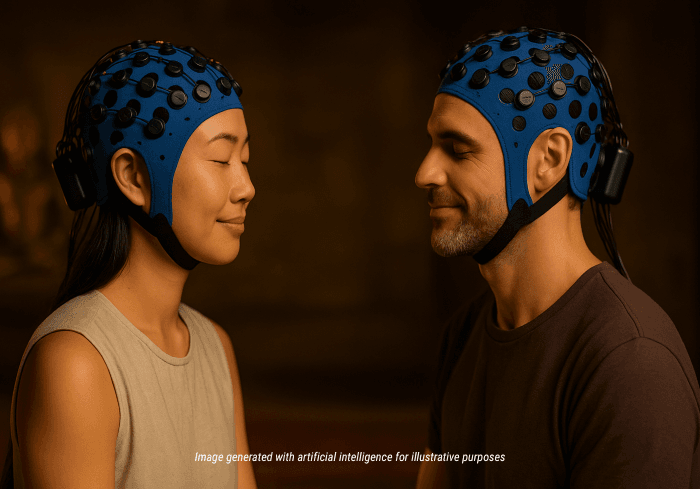
A Window into the Social Brain: How Collective Rituals Shape Neural Connection

We often think of contemplative practices as solitary experiences like meditating alone, practicing mindfulness, or silently reflecting. But across the world, many of these practices are shared. Whether it’s prayer circles, religious gatherings, or even large-scale concerts or sport events, collective rituals can have profound effects on the brain and the body (Paez, 2015; Hagerty, 2013). Researchers are only beginning to understand the mechanisms behind these effects and what they can tell us about human connection, neuroplasticity, and well-being (Davidson, 2012; Bhugra, 2024). 
June 29, 2025

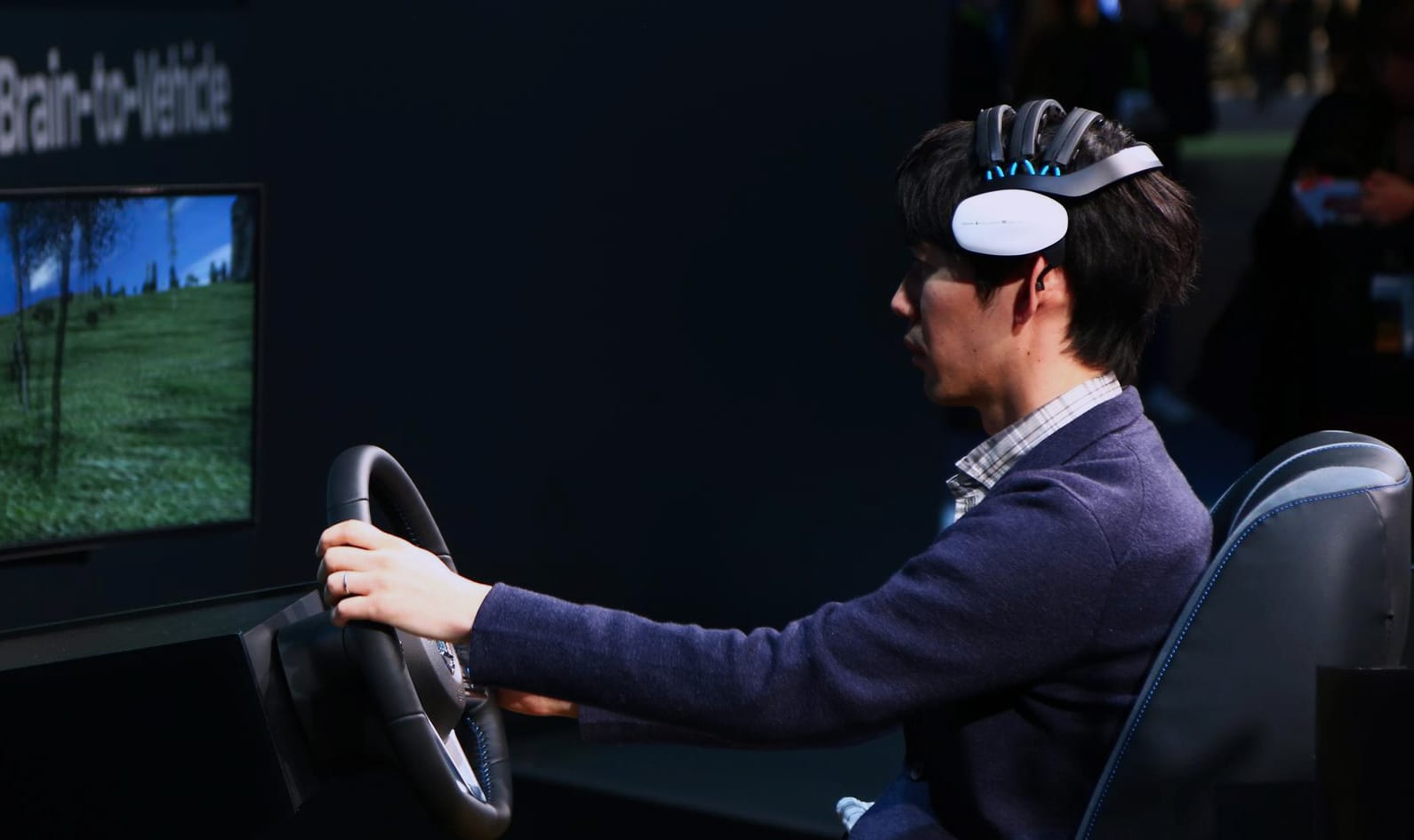
Nissan’s Brain-to-Vehicle Technology Connects Our Brains With Vehicles

Technologies such as Nissan’s Brain-to-Vehicle (B2V) are redefining the future of mobility by establishing a direct connection between drivers’ brain signals and their vehicles. Since its introduction in 2018, the B2V system has undergone significant advancements. Unlike traditional autonomous driving systems, which aim to eliminate the need for human input, B2V seeks to augment the driving experience by predicting the driver’s intentions between 0.2 and 0.8 seconds before an action occurs. This allows vehicles to react more swiftly than human reflexes, fostering a more responsive, intuitive, and safer journey. It accomplishes this through real-time electroencephalogram (EEG) data, artificial intelligence (AI) algorithms, and wearable neurotechnology.
June 9, 2025

Exploring the Science of Mind Wandering with Dr. Julia Kam

Mind wandering—those moments when our attention drifts from the task at hand—makes up 30 to 50 percent of our waking hours (McVay, 2007). Though often seen as a distraction, research shows it can foster creativity, emotional well-being, and mental rest (Kam, 2024). In this conversation with Dr. Julia Kam, whose award-winning research explores this everyday phenomenon, we delve into how mind wandering shapes our attention—an increasingly important topic in our post-pandemic world, especially in the context of focus and conditions like ADHD (Hasan, 2024).
June 4, 2025

EEG and Multimodal Research in Neuroscience: Technologies, Tools and Techniques

In this article, we will explore the value these combinations of technologies can bring to the research landscape, as well as how to evaluate the best options for each scenario. The study of human behaviour is not a new endeavour; it has been a subject of exploration for a long time. The observation of the actions, reactions and interactions of humans is a focal point of study in many different research scenarios. These interactions, whether occurring between individuals or prompted by external stimuli, provide information from participants' insights and environmental responses.
May 13, 2025

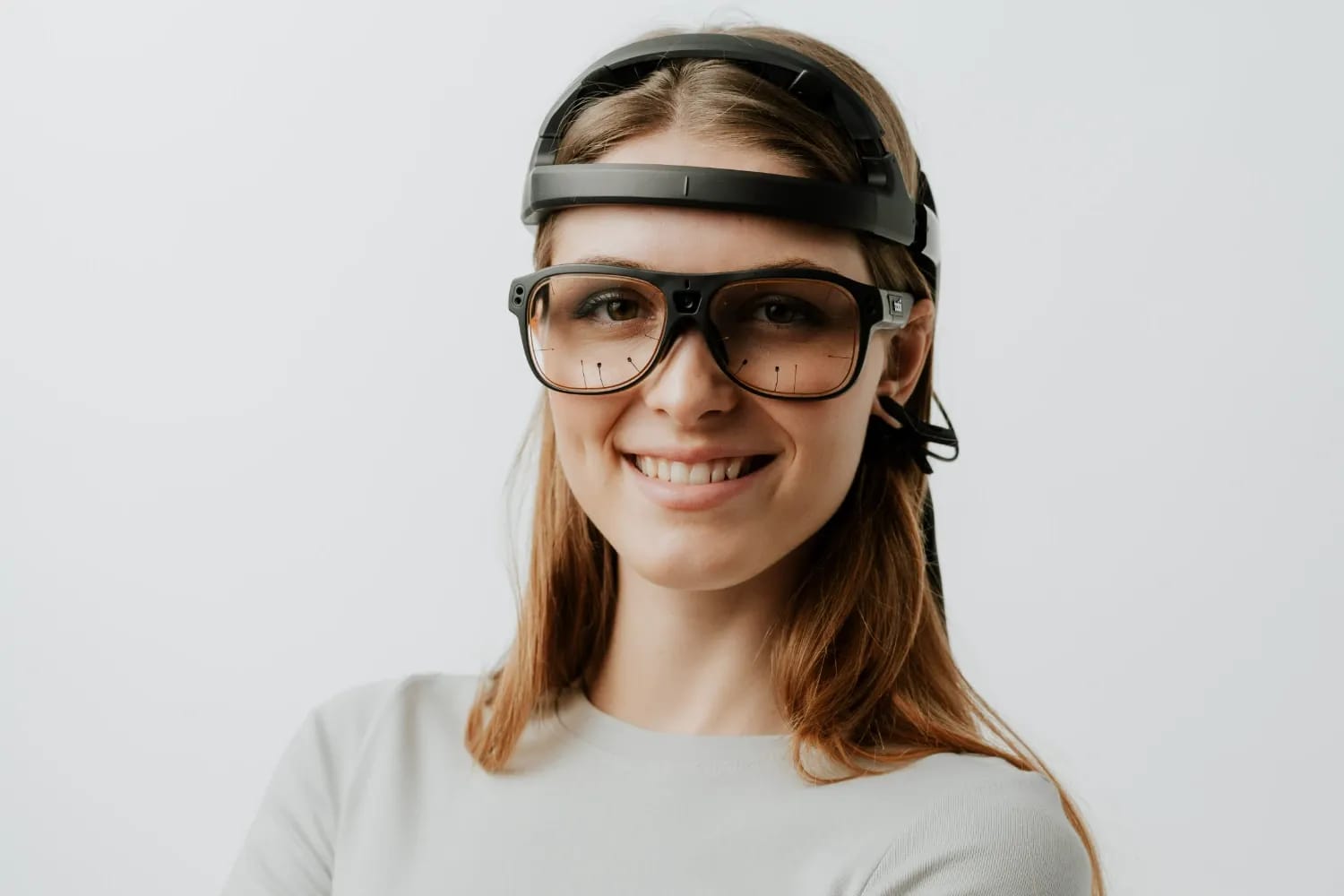
Types of Eye Tracking Devices: Complete Guide to Technologies and Applications

Recent advancements in eye tracking technology have expanded the field to include applications in many different areas, both as a tool for research and as a source of real-time data for interaction. Eye tracking has expanded well beyond the original research in vision and attention. As a result, the field now includes very disparate use cases. Systems are designed to fit certain applications and are often much less suited for others. In this entry, we will discuss four of the major types of eye tracking devices, along with some basic examples of applications for each.
May 9, 2025

How EEG is Changing Driver Fatigue Detection in Real Time

Fatigue remains a significant but often underestimated threat to public safety, contributing to thousands of fatalities and costing billions annually. With the continuous advancements in EEG and AI, we are now positioned to detect fatigue proactively before it leads to accidents. From pilot cockpits and truck cabins to autonomous vehicles and control towers, EEG-based brain-monitoring systems provide a crucial layer of preventive safety.
May 7, 2025

What is QEEG Brain Mapping?

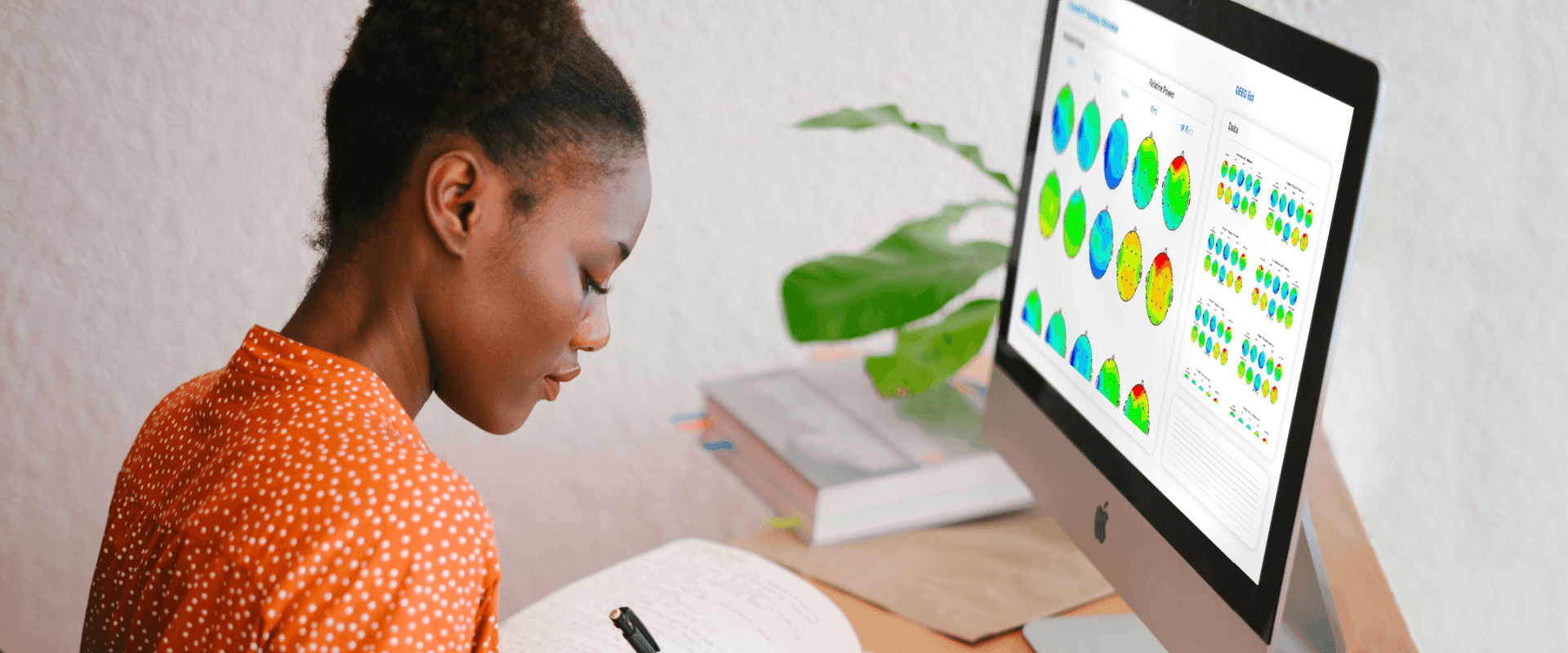
Quantitative Electroencephalography (QEEG), commonly called brain mapping, is a technique that applies mathematical methods to EEG data, focusing on power spectral analyses. This method generates quantitative metrics related to behavioral and cognitive brain functions.
April 30, 2025

Architectural Neuroimmunology: Do buildings impact the brain via the immune system?

By 2050, it is projected that two-thirds of the global population will live in cities (UN, 2018). Already it is estimated that residents in developed nations spend over 90% of their time in or around the built environment (Schweizer et al. 2007). However, there is still remarkably little known about the impact of architectural form on the human body. In response, this research project, conducted at the University of Cambridge, endeavoured to combine emerging insights from the disparate fields of architectural neuroscience and neuroimmunology. The following post will outline the objectives of the emerging field of architectural neuroimmunology and highlight some of the project's initial findings.  
April 15, 2025