Products
Services
Applications
Science
About us
BlogContact

Wellness & health

EEG and Virtual Reality: The Neuroadaptive Future of Neurotechnology

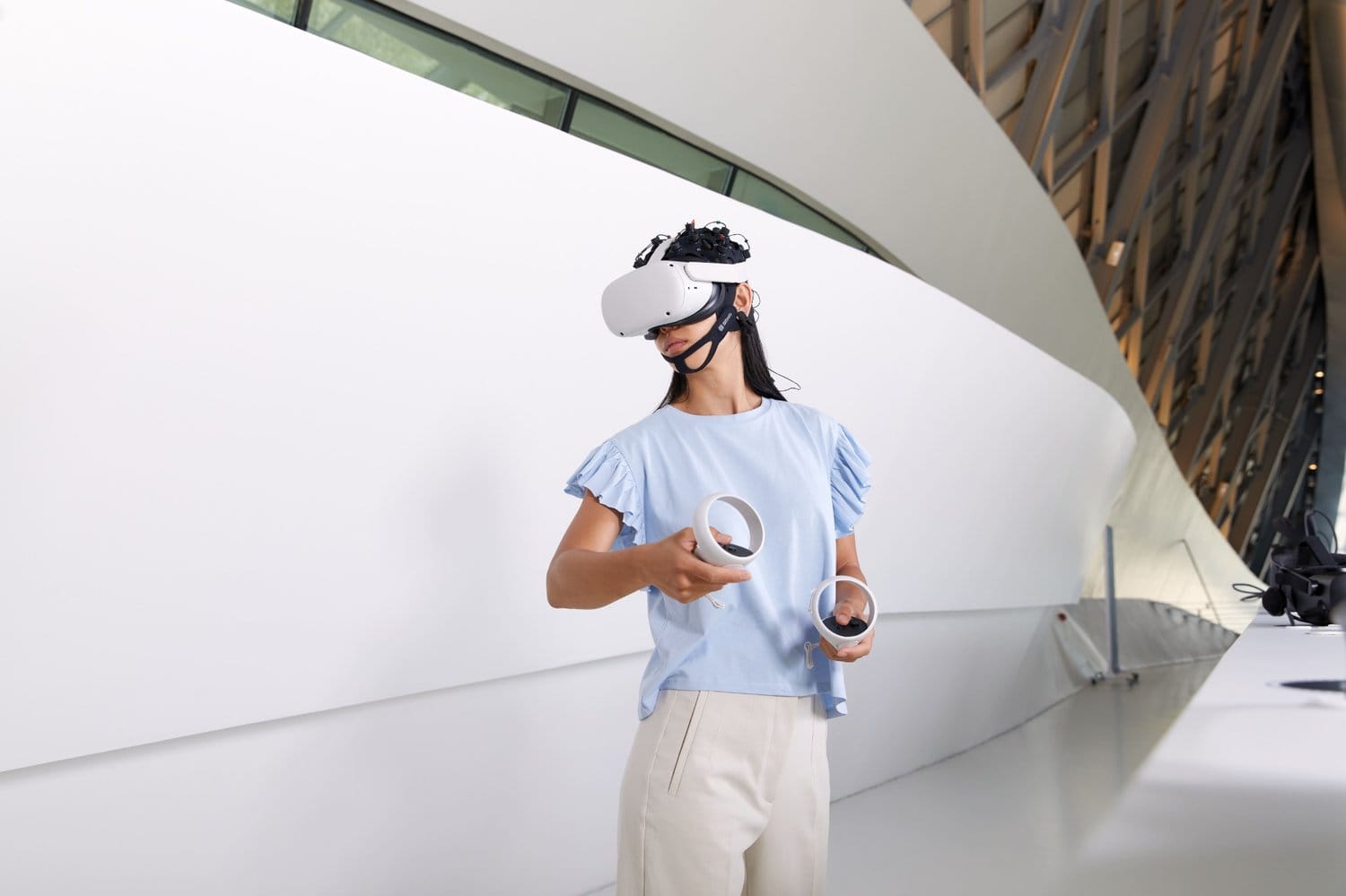
Can technology truly read our thoughts and emotions, and adapt the digital world in real time? What once belonged to science fiction is now possible, thanks to the convergence of electroencephalography (EEG) and virtual reality (VR). This fusion enables us not only to measure attention, emotion, and cognitive fatigue, but also to personalize digital experiences in real-time, fundamentally redefining human–machine interaction. With recent advances in portable EEG and VR technology, it is now possible to access and respond to a user’s brain state in real-time. This breakthrough is already enabling personalized rehabilitation, adaptive gaming, cognitive training, and clinical diagnostics, laying the groundwork for a new generation of neurotechnology solutions.
December 15, 2025
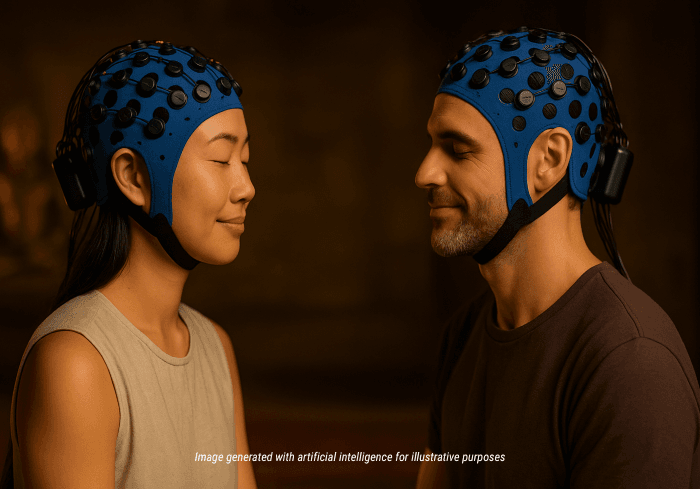

A Window into the Social Brain: How Collective Rituals Shape Neural Connection

We often think of contemplative practices as solitary experiences like meditating alone, practicing mindfulness, or silently reflecting. But across the world, many of these practices are shared. Whether it’s prayer circles, religious gatherings, or even large-scale concerts or sport events, collective rituals can have profound effects on the brain and the body (Paez, 2015; Hagerty, 2013). Researchers are only beginning to understand the mechanisms behind these effects and what they can tell us about human connection, neuroplasticity, and well-being (Davidson, 2012; Bhugra, 2024). 
June 29, 2025

Exploring the Science of Mind Wandering with Dr. Julia Kam

Mind wandering—those moments when our attention drifts from the task at hand—makes up 30 to 50 percent of our waking hours (McVay, 2007). Though often seen as a distraction, research shows it can foster creativity, emotional well-being, and mental rest (Kam, 2024). In this conversation with Dr. Julia Kam, whose award-winning research explores this everyday phenomenon, we delve into how mind wandering shapes our attention—an increasingly important topic in our post-pandemic world, especially in the context of focus and conditions like ADHD (Hasan, 2024).
June 4, 2025

How EEG is Changing Driver Fatigue Detection in Real Time

Fatigue remains a significant but often underestimated threat to public safety, contributing to thousands of fatalities and costing billions annually. With the continuous advancements in EEG and AI, we are now positioned to detect fatigue proactively before it leads to accidents. From pilot cockpits and truck cabins to autonomous vehicles and control towers, EEG-based brain-monitoring systems provide a crucial layer of preventive safety.
May 7, 2025

The Use of EEG for ADHD Diagnosis and Treatment

Attention-Deficit/Hyperactivity Disorder (ADHD) is a common neurodevelopmental condition characterized by persistent patterns of inattention, hyperactivity, and impulsivity that interfere with functioning or development (American Psychiatric Association [APA], 2017). Although widely recognized and diagnosed, the precise neurobiological mechanisms underlying ADHD remain only partially understood. As a result, ongoing research aims to develop more effective methods for diagnosing and treating the disorder. This review explores both conventional management strategies and emerging approaches that incorporate neurotechnology to enhance diagnosis and intervention in individuals with ADHD.
April 9, 2025

Epilepsy and EEG seizure-detection

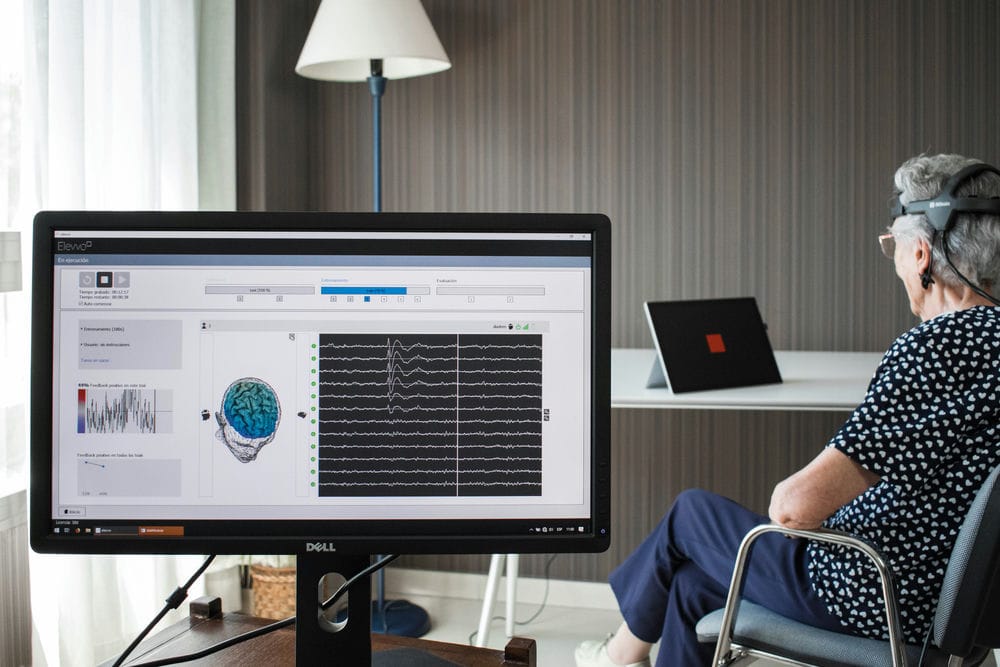
Epilepsy is a chronic neurological disorder that affects about 50 million people worldwide. The most visible symptom is the appearance of seizures, an abnormal electrical signal that occurs inside the brain. The electroencephalogram (EEG) is a non-invasive brain recording technique that detects seizures accurately. In this post, we will show you the characteristics of the signals associated with seizures and the procedures used in the diagnosis of epilepsy.
April 10, 2024

The Forgotten History of Alpha Brain Waves

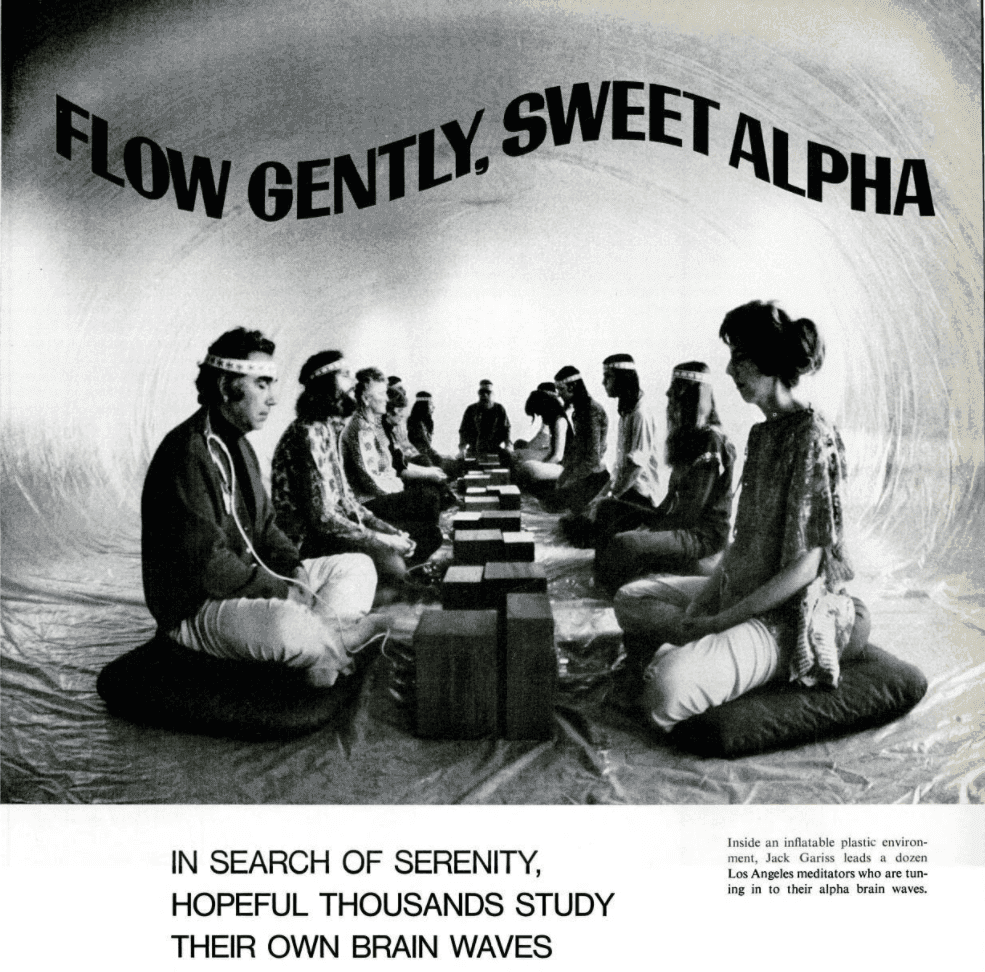
Strictly speaking, alpha brain waves encompass neural oscillations ranging from 8 to 12 hertz. Yet, their significance transcends mere frequencies. Through a blend of scientific inquiry and cultural influence, alpha waves have become synonymous with relaxation, tranquility, and even spiritual depth. Join us on a journey through the intriguing history of alpha waves, where we aim to shed light on their modern interpretations. This historical exploration also serves as a compass for navigating the evolving landscape of consumer neurofeedback technology.
April 9, 2024

Bringing BCIs to the user’s home for neurorehabilitation and assistive applications

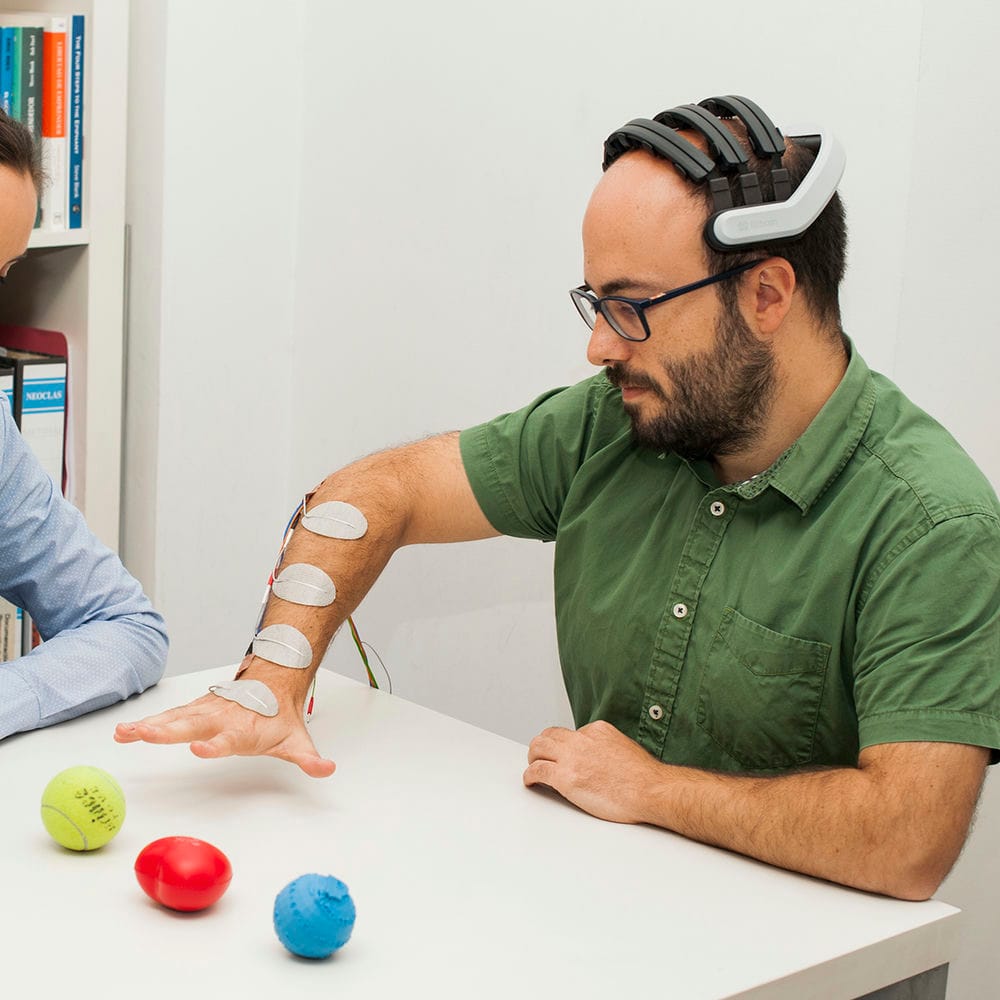
Neurorehabilitation and assistive technologies use brain-computer interfaces (BCIs) to involve the central nervous system in the rehabilitation process or to allow control of technology. Moving BCI-based neurorehabilitation or motor restoration applications from the laboratory to home settings will improve accessibility to therapies and assistive applications. This will increase potential benefits and allow a more intensive data collection to foster scientific progress. The EEG equipment itself has been identified as a key technology required to enable such a transition and to increase acceptance from the end users. We describe a new wearable dry-electrode EEG system specifically designed to ease the transition to the user’s home. This device has an optimized minimal number of sensors for maximum comfort, extremely fast setup time, and carefully designed aesthetics. We’ll present recent results evaluating its performance to decode motor-related brain patterns.
November 24, 2020

Modern BCI-based Neurofeedback or EEG Biofeedback for Cognitive Enhancement

Neurofeedback is a human enhancement technique aimed at providing cognitive improvements in psychological variables such as memory, attention, processing speed or executive functions. We describe herein neurofeedback and biofeedback techniques, the science behind one of the most validated protocols, the new trends in modern approaches, influenced by the advances in brain-computer interfaces, and some use cases and scientific results.
May 21, 2020

What is high cognitive performance or “peak brain performance”?

More and more people wish to improve their academic or professional performance by training their cognitive capabilities. This means improving cognitive functioning until each person’s optimal. Do you know what cognitive performance is and how it can be trained? This post will provide more information on high cognitive performance and the most frequent techniques employed to achieve it.
August 19, 2019

What is cognitive rehabilitation and what are the most employed techniques?

Usually, cognitive deterioration is one of the most common subjects discussed in primary care. This condition progressively evolves with age, and requires specific interventions to be reverted, improving cognitive performance. Cognitive rehabilitation has the objective of improving cognitive functions such as memory, attention and language, which have a great impact on the life of patients. We summarize within this post the most common cognitive rehabilitation strategies and application areas.
August 15, 2019

Cognitive stimulation therapy training courses: 5 key questions

Cognitive stimulation starts to open its way as a tool to care for the mental health of people. For such, professionals should receive adequate training and have the necessary knowledge to employ it and obtain positive results but… what should I keep in mind at the time of choosing a cognitive stimulation workshop? We’ll cover that.
August 13, 2019

Everything about cognitive rehabilitation in depression

According to the World Health Organization (WHO), depression affects more than 300 million people in the world, being considered a frequent mental disorder. The emotional symptoms are usually the first to be treated with current existing treatments, but how can we intervene on the cognitive impairment that often affects the people that suffer from depression?
August 6, 2019

20+ popular heuristics and cognitive biases

We believe that reality is exactly what we perceive but really, this is just an illusion of our own brain. This happens because our brain takes shortcuts to interpret information and adapt to our surroundings: heuristics on which the brain relies to understand the reality perceived, but… can we always trust our brain when it utilizes these resources?
May 2, 2019